
Planning a wedding involves countless details, and one of the most significant is your invitation. Crafting the perfect Vietnamese wedding invitation wording requires a blend of tradition, respect, and personal style to beautifully announce your union. This guide will help you navigate the nuances, ensuring your invitations are both culturally appropriate and uniquely yours.
Understanding Traditional Vietnamese Wedding Invitation Wording
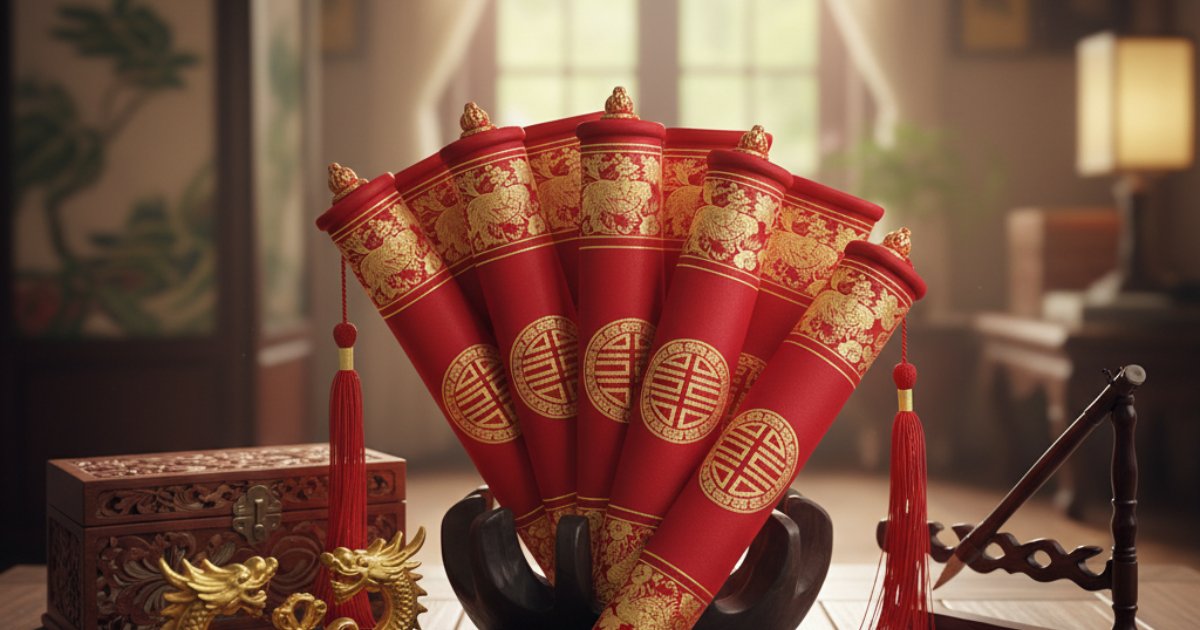
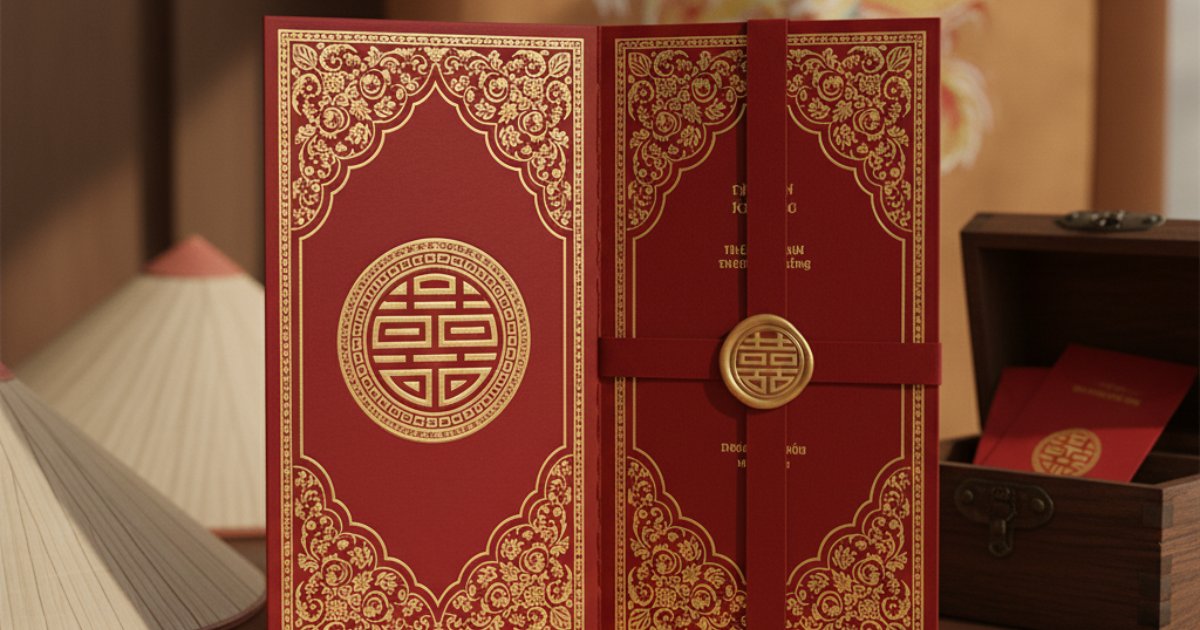
Traditional Vietnamese weddings are deeply rooted in family values and respect for elders. The invitation serves not just as an announcement but also as a formal request from both families for guests to witness the union. Understanding the core elements of traditional Vietnamese wedding invitation wording is crucial for honoring these customs.
The Role of Parents in Vietnamese Invitations
In Vietnamese culture, weddings are often seen as a union between two families, not just two individuals. Therefore, traditional invitations are typically issued by the parents of the bride and groom. Their names will be prominently featured at the top, signifying their blessing and hosting of the event. This practice reflects the deep respect for parental authority and the collective family identity.
Addressing Guests Respectfully
Respectful address is paramount in Vietnamese society. When crafting your Vietnamese wedding invitation wording, pay close attention to honorifics and titles. Guests are typically addressed with their full names and appropriate titles, such as “Ông/Bà” (Mr./Mrs.) or “Anh/Chị” (Elder Brother/Sister) if they are close family friends. This level of detail shows thoughtfulness and appreciation for each guest.
Key Elements of a Vietnamese Wedding Invitation
Regardless of whether you choose a traditional or modern approach, certain key elements must be present in your Vietnamese wedding invitation wording to ensure clarity and completeness. These details guide your guests through the celebrations and convey all necessary information.
Essential Information to Include
A comprehensive Vietnamese wedding invitation should clearly state the names of the bride and groom, their parents’ names, the date, time, and location of the wedding ceremony and reception. If there are multiple events, such as an engagement ceremony (Lễ Ăn Hỏi) or a tea ceremony, these should also be clearly outlined with their respective details. Providing a map or directions can also be a thoughtful addition for guests unfamiliar with the venue.
Choosing the Right Tone for Your Vietnamese Wedding Invitation
The tone of your invitation should reflect the formality and style of your wedding. Traditional invitations often use formal and respectful language, emphasizing the joyous union of the two families. Modern invitations might incorporate slightly more casual or personalized language, but always maintain a respectful undertone, especially when addressing elders. The choice of wording for your Vietnamese wedding invitation sets the expectation for your guests.
Formal Vietnamese Wedding Invitation Wording Samples
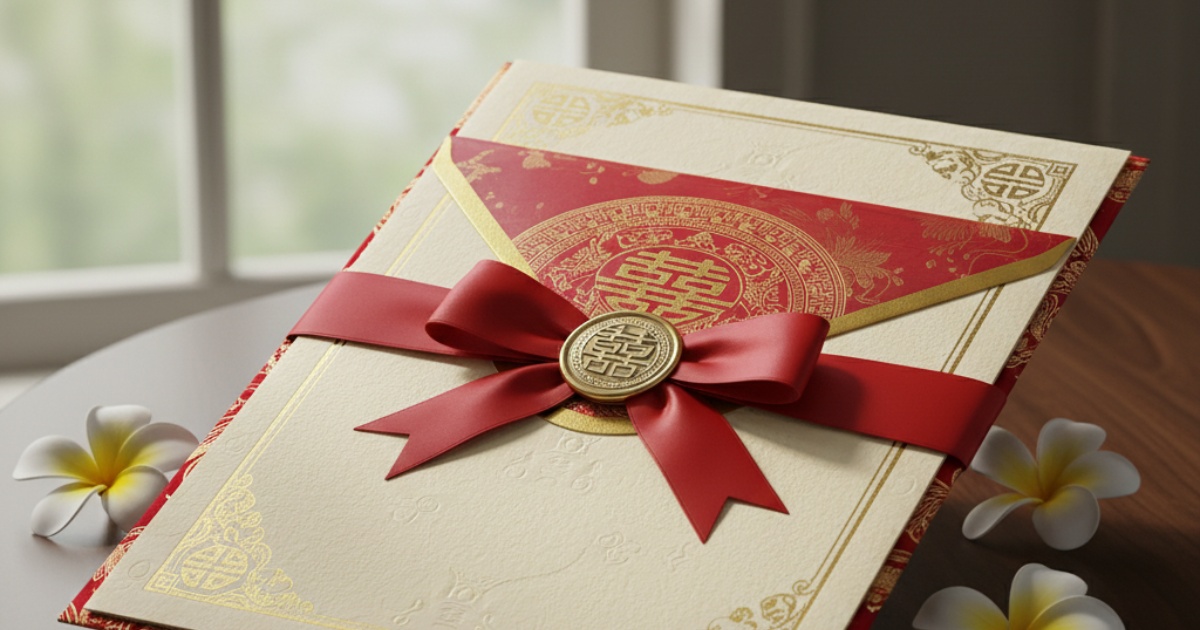
For those adhering closely to tradition, specific phrases and structures are commonly used. These samples provide a solid foundation for your formal Vietnamese wedding invitation wording, ensuring all cultural expectations are met.
Example for the Groom’s Side
On behalf of the groom’s parents, the invitation might read:
Kính mời:
Ông/Bà [Tên Khách Mời]
[Địa chỉ Khách Mời]
Gia đình ông/bà [Tên Cha Chú Rể] và bà [Tên Mẹ Chú Rể]
Trân trọng kính mời Ông/Bà cùng gia đình đến dự Lễ Thành Hôn của con trai chúng tôi là
[Tên Chú Rể]
và con dâu là
[Tên Cô Dâu]
Vào lúc: [Thời gian]
Ngày: [Ngày tháng năm]
Tại: [Địa điểm tổ chức]
Sự hiện diện của Ông/Bà là niềm vinh hạnh cho gia đình chúng tôi.
Trân trọng!
Example for the Bride’s Side
Similarly, the bride’s parents would issue their invitation:
Kính mời:
Ông/Bà [Tên Khách Mời]
[Địa chỉ Khách Mời]
Gia đình ông/bà [Tên Cha Cô Dâu] và bà [Tên Mẹ Cô Dâu]
Trân trọng kính mời Ông/Bà cùng gia đình đến dự Lễ Thành Hôn của con gái chúng tôi là
[Tên Cô Dâu]
và con rể là
[Tên Chú Rể]
Vào lúc: [Thời gian]
Ngày: [Ngày tháng năm]
Tại: [Địa điểm tổ chức]
Sự hiện diện của Ông/Bà là niềm vinh hạnh cho gia đình chúng tôi.
Trân trọng!
Combined Family Invitation Wording
For a combined invitation from both families, the wording would integrate both sets of parents:
Kính mời:
Ông/Bà [Tên Khách Mời]
[Địa chỉ Khách Mời]
Gia đình ông/bà [Tên Cha Cô Dâu] và bà [Tên Mẹ Cô Dâu]
Cùng gia đình ông/bà [Tên Cha Chú Rể] và bà [Tên Mẹ Chú Rể]
Trân trọng kính mời Ông/Bà cùng gia đình đến dự Lễ Thành Hôn của hai con chúng tôi là
Tân Hôn Nữ: [Tên Cô Dâu]
và
Tân Hôn Nam: [Tên Chú Rể]
Vào lúc: [Thời gian]
Ngày: [Ngày tháng năm]
Tại: [Địa điểm tổ chức]
Sự hiện diện của Ông/Bà là niềm vinh hạnh cho gia đình chúng tôi.
Trân trọng!
Modern Adaptations for Vietnamese Wedding Invitation Wording
While tradition holds strong, many couples today opt for a blend of traditional and modern elements in their Vietnamese wedding invitation wording. This allows for personalization while still respecting cultural norms. Modern adaptations often reflect the couple’s unique journey and personality.
Bilingual Invitation Wording Strategies
For couples with international guests or those living abroad, bilingual invitations are a popular choice. This involves presenting the Vietnamese wedding invitation wording alongside an English translation. Ensure both versions convey the same information accurately and gracefully. You might choose to have one language on each side of the card or present them side-by-side. Clarity is key for all guests.
Incorporating Personal Stories and Details
Modern invitations often include a personal touch, such as a brief story of how the couple met, a favorite quote, or a personalized message. While traditional invitations are more formal, a subtle inclusion of personal elements can make your Vietnamese wedding invitation wording feel more intimate and reflective of your relationship. Just ensure these additions complement, rather than overshadow, the essential wedding details.
Etiquette and Cultural Nuances in Vietnamese Wedding Invitations
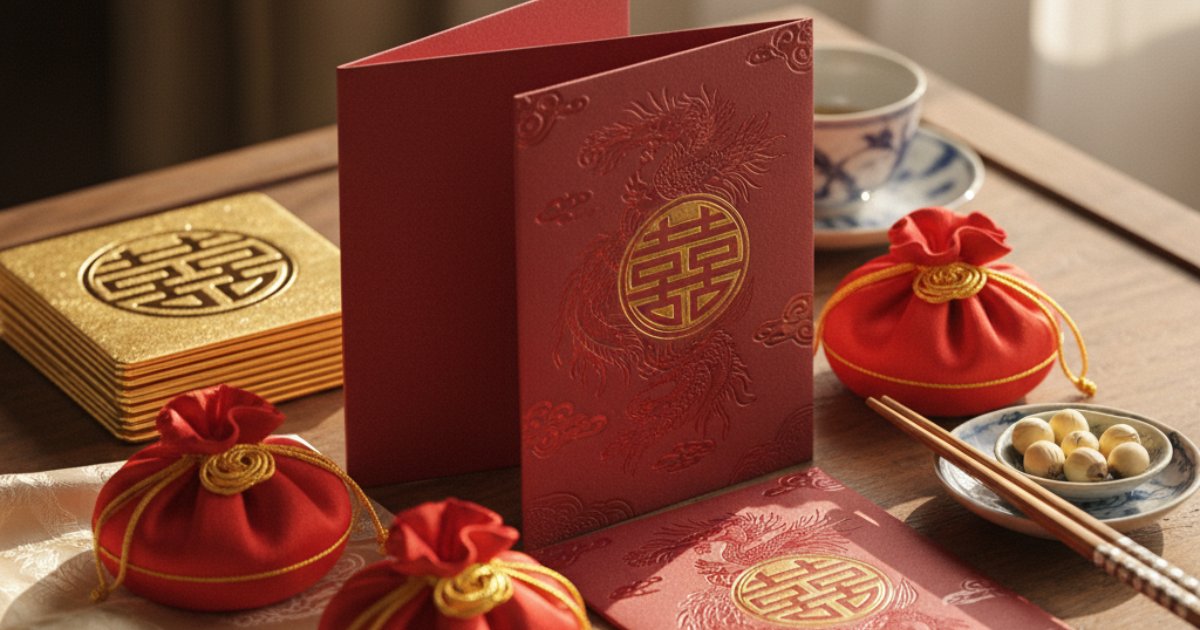
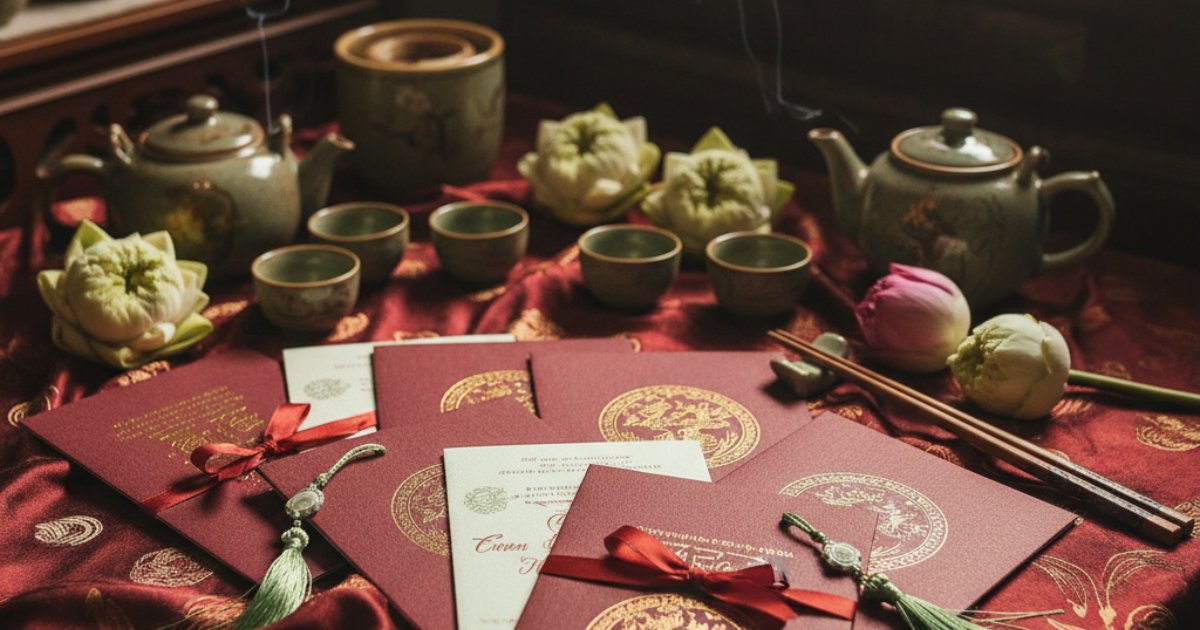
Beyond the specific wording, understanding the broader etiquette surrounding Vietnamese wedding invitations is essential. These cultural nuances ensure that your invitations are received with the respect and understanding they deserve.
RSVP Expectations and Follow-up
While RSVP cards are common in Western weddings, they are less traditional in Vietnam. However, for modern weddings or those with a significant number of international guests, including an RSVP option can be very helpful for planning. If you do include an RSVP, make sure the instructions are clear and provide a contact method, such as a phone number or email, for guests to respond. Following up politely with guests who haven’t responded is also a common practice to finalize headcounts.
Gift Giving Traditions
In Vietnamese culture, monetary gifts (tiền mừng) are the most common and appreciated wedding presents, often presented in an envelope. It is generally not customary to specify gift preferences on the invitation itself. Guests will typically understand this tradition. If you have guests unfamiliar with Vietnamese customs, a subtle note on a separate insert or on a wedding website can provide guidance without being overly prescriptive.
Ensuring Clarity and Personal Touch in Your Vietnamese Wedding Invitation
The final steps in creating your perfect Vietnamese wedding invitation wording involve meticulous review and a thoughtful personal touch. These details ensure your invitations are not only informative but also memorable.
Proofreading for Perfection
Before sending out your invitations, proofread every detail meticulously. Check for any spelling errors, grammatical mistakes, or incorrect dates and times. It is advisable to have multiple people review the Vietnamese wedding invitation wording, especially native speakers, to catch any subtle errors or awkward phrasing. A small error can detract from the overall elegance and professionalism of your invitation.
Adding a Personal Message
While the main body of the invitation is formal, a small, handwritten note on individual invitations can add a very personal and warm touch. This is especially meaningful for close family members and friends. A simple “We can’t wait to celebrate with you!” or “Your presence means the world to us” can significantly enhance the guest experience and make your Vietnamese wedding invitation truly special.
Liên hệ với Cees Bridal Hotline/Zalo: +84 378 220 630 Website: https://ceesbridal.com/ Fanpage: https://www.facebook.com/CeesBridal/ Địa chỉ: 16/8 Dang Van Ngu, Phu Nhuan District, Ho Chi Minh City, Vietnam
Thương hiệu: Cees Bridal Hotline/Zalo: +84 378 220 630 Website: https://ceesbridal.com/ Fanpage: https://www.facebook.com/CeesBridal/ Địa chỉ: 16/8 Dang Van Ngu, Phu Nhuan District, Ho Chi Minh City, Vietnam
Thông tin: Note that the article must be written 100 percent in English. Keywords must be capitalized appropriately, for example Vietnamese. The main and secondary keywords must account for at least 1 percent of the total word count, which is important. Priority should be given to placing the main and secondary keywords in the H2 headings. Keywords must be included naturally and meaningfully in the content, without being forced. The article should have about 5 to 6 H2 headings. The remaining sections should use H3 subheadings. Headings must be clear and easy to understand, and they must not use colons. In the content, do not use figurative expressions in quotation marks. Use simple and clear vocabulary commonly found in newspapers and books. Do not create metaphors or unclear expressions that may confuse readers.
Custom Wedding Dress Design At CeesBridal is a professional service for brides who want a unique and perfectly fitted gown. CeesBridal specializes in Vietnamese bridal fashion, offering elegant and detailed dresses for both local and international customers.
Thông tin liên hệ:
- Custom Wedding Dress Design At CeesBridal is a professional service for brides who want a unique and perfectly fitted gown. CeesBridal specializes in Vietnamese bridal fashion, offering elegant and detailed dresses for both local and international customers.
Thông tin liên hệ:
- Custom Wedding Dress Design At CeesBridal is a professional service for brides who want a unique and perfectly fitted gown. CeesBridal specializes in Vietnamese bridal fashion, offering elegant and detailed dresses for both local and international customers.